Switzerland's Banking Ties and Their Influence on Live Dealer Game Accessibility via Mobile Devices
Devon Hartmann · Sep 7, 2026
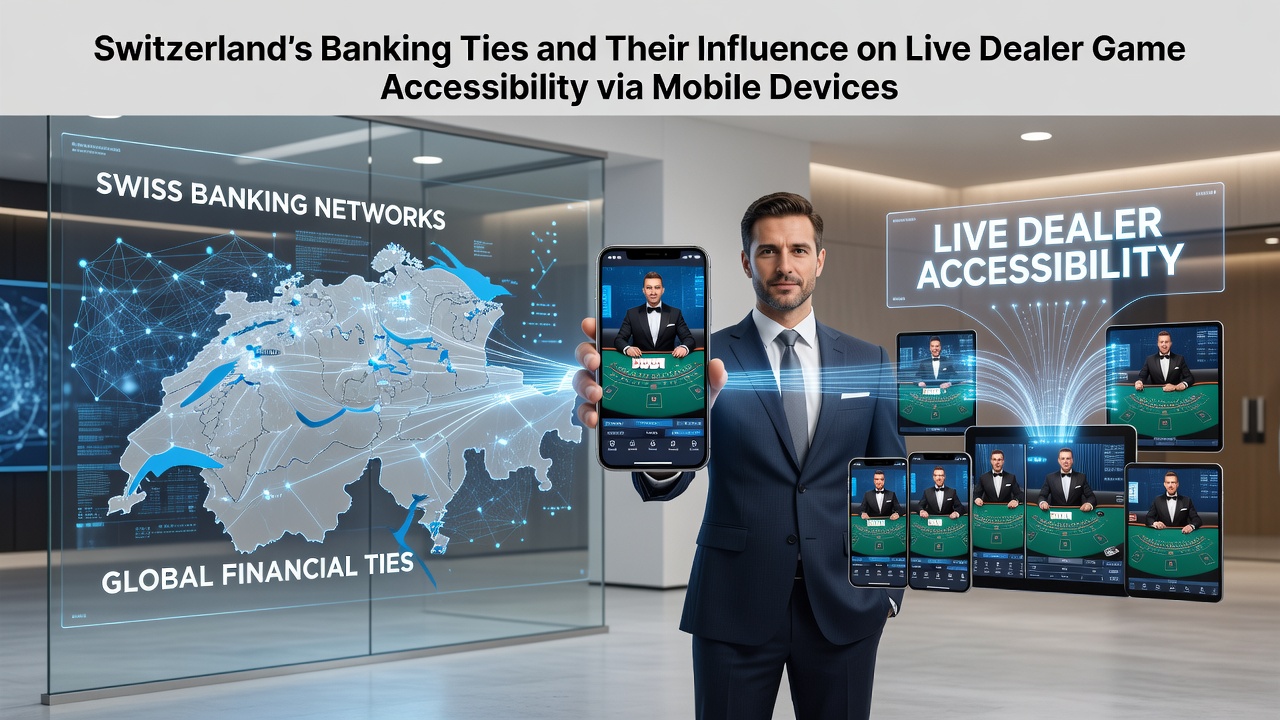
Switzerland's Banking Ties and Their Influence on Live Dealer Game Accessibility via Mobile Devices
Switzerland maintains a longstanding reputation for secure financial services that intersect directly with the country's regulated online gambling sector, where banking protocols shape how players access live dealer games through mobile applications. Licensed operators must comply with federal gambling statutes that require verified payment channels, and these requirements often route through domestic banks known for their emphasis on data protection and transaction monitoring. Mobile accessibility expands when banking systems integrate smoothly with casino platforms, allowing real-time deposits and withdrawals during live blackjack or roulette sessions without disrupting the flow of play.
Regulatory Framework Connecting Banks and Mobile Gaming
Since the 2019 implementation of the Federal Act on Gambling, Swiss authorities have required that all licensed platforms use payment providers subject to oversight by the Swiss Financial Market Supervisory Authority, creating a direct link between banking practices and game availability on smartphones. Data from regulatory filings shows that transaction approval rates for mobile users depend on banks' internal compliance checks, which verify source of funds before authorizing transfers to live dealer interfaces. Observers note that this process supports secure access while limiting options for users outside the country's banking network, as foreign cards sometimes face additional verification steps that delay session starts.
Payment Processing Mechanics for Live Dealer Sessions
Swiss banks apply encryption standards and real-time monitoring tools that influence how quickly funds move into mobile wallets tied to live dealer platforms, with many institutions offering dedicated APIs for gambling operators. These integrations allow players to fund accounts and join tables on devices running iOS or Android, yet they also impose daily limits tied to account verification levels. Research from financial oversight bodies indicates that such controls reduce fraud incidents during high-volume periods, while simultaneously determining which payment methods remain viable for cross-border participants attempting to reach Swiss-licensed live games.
Impact of Banking Secrecy on User Onboarding
Traditional Swiss emphasis on client confidentiality extends to gambling accounts, where numbered accounts and strict disclosure rules affect how mobile users complete identity checks required by gaming licenses. Banks that prioritize these privacy features often streamline the initial funding step for domestic players, enabling faster entry into live dealer environments compared to regions with more transparent reporting mandates. Yet this same structure creates friction when international users attempt transfers, because additional documentation demands can extend approval times beyond a single mobile session.

Technological Adaptations in Mobile Platforms
Live dealer providers have developed mobile applications that interface with Swiss banking systems through secure gateways, supporting features such as instant balance updates and session resumption after payment confirmations. These adaptations rely on the stability of domestic financial networks, which handle the majority of transactions for licensed operators. According to industry reports compiled by the Swiss Financial Market Supervisory Authority, mobile transaction volumes in regulated gambling grew steadily through 2025, reflecting improved compatibility between banking apps and casino software.
Developments Expected by September 2026
Updated guidelines scheduled for September 2026 from federal regulators aim to standardize digital payment interfaces further, potentially expanding the range of mobile banking options available for live dealer access while maintaining existing security protocols. Financial institutions are preparing system upgrades that could shorten verification windows for recurring players, allowing smoother transitions between banking apps and gaming sessions. Data compiled by the Swiss National Bank shows ongoing investment in payment infrastructure that supports these changes, with projections indicating broader compatibility for Android and iOS users by the target date.
International Comparisons and Broader Context
Analyses from the Responsible Gambling Council highlight how Switzerland's banking model differs from approaches in North America and Australia, where gambling payments often route through specialized processors rather than traditional banks. This distinction affects mobile accessibility because Swiss platforms must align with banking secrecy laws that prioritize domestic verification, resulting in fewer approved international corridors. Those studying cross-border patterns observe that such alignments create consistent access for residents while restricting options for visitors who rely on non-Swiss accounts.
Conclusion
Switzerland's banking framework continues to determine the parameters of mobile live dealer game access through its regulatory ties, payment security measures, and upcoming infrastructure updates. Licensed operators adapt their platforms accordingly, ensuring compliance while delivering functional mobile experiences for verified users. The connections between financial institutions and gaming technology remain central to how these services operate within the country's legal structure.