How Licensing Frameworks Guide Encrypted Transaction Flows During Live Dealer Roulette Sessions on Swiss Mobile Platforms
Devon Hartmann · Aug 26, 2026
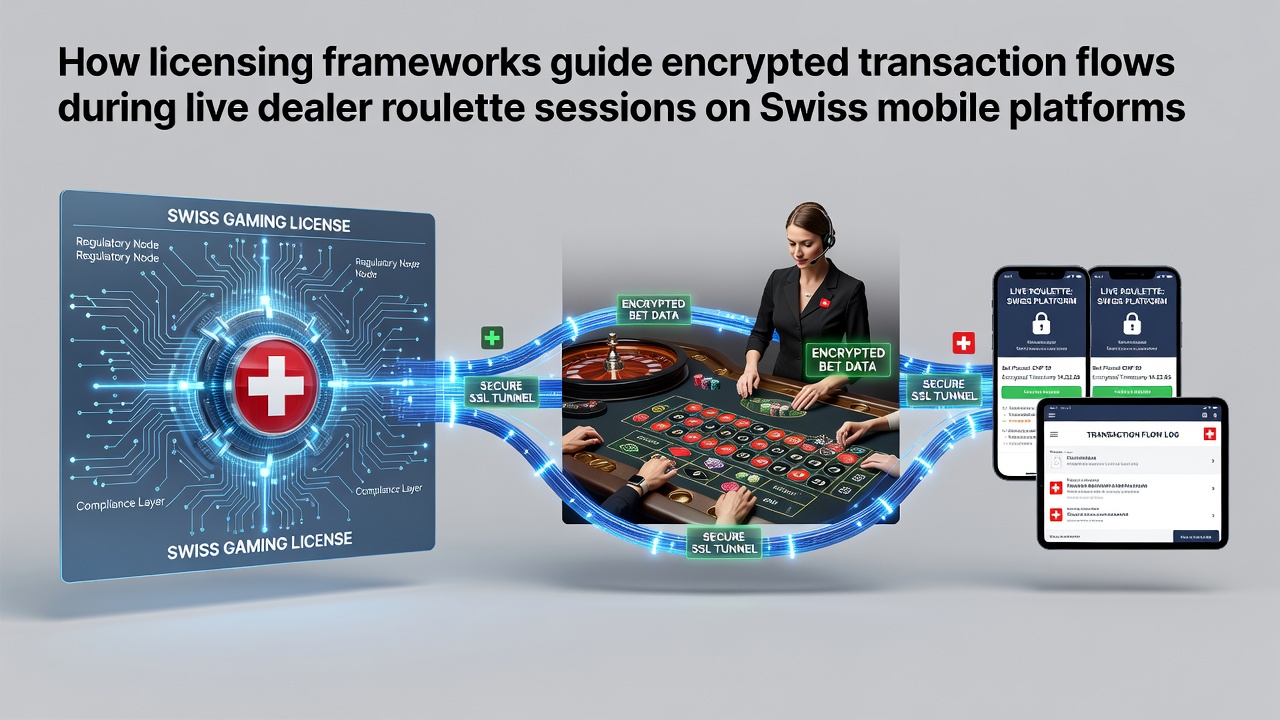
How Licensing Frameworks Guide Encrypted Transaction Flows During Live Dealer Roulette Sessions on Swiss Mobile Platforms
Swiss licensing frameworks establish strict protocols that direct every stage of encrypted transaction movement when players engage with live dealer roulette on mobile devices, and these rules stem from the Federal Act on Gambling along with its implementing ordinances that took full effect after 2019, yet continue to receive technical refinements through 2026. Licensed operators must route all deposits, bets, and payouts through certified payment gateways that enforce end-to-end encryption standards before any game session begins, which means the initial funding step travels through secure channels that meet both Swiss data-protection requirements and international payment-card industry benchmarks.
Core Licensing Requirements for Transaction Security
Under the current regime, each license holder receives explicit obligations to maintain cryptographic modules approved by recognized testing laboratories, and these modules handle the conversion of player funds into encrypted tokens that travel across mobile networks without exposing raw financial data at any point. The framework further requires that live dealer roulette sessions on Swiss mobile platforms integrate real-time verification steps, so every bet placed during a wheel spin triggers an immediate encrypted confirmation that links back to the player account before the dealer proceeds. Observers note that this process prevents unauthorized interception while preserving the pace of live play.
Encryption Standards Applied to Mobile Roulette Flows
Data from regulatory compliance reports shows that platforms adopt TLS 1.3 as the baseline for all session traffic, while additional application-layer encryption protects the specific transaction payloads that move between the mobile app and the licensed game server. When a player opens a live roulette table on a Swiss-licensed platform, the connection first negotiates a secure tunnel that authenticates both the device and the operator before any funds appear on screen. Researchers at European technology institutes have documented how these layered protections reduce the window for man-in-the-middle attempts during the rapid sequence of bets that characterize roulette rounds.
Payment initiation occurs only after the secure channel is confirmed, at which point the system converts the stake into an encrypted instruction that routes through the operator’s certified financial processor. The processor returns a tokenized response that the platform records without retaining sensitive card or account details on the mobile device itself. This token-based approach aligns with licensing conditions that prohibit storage of payment credentials on player hardware.
Step-by-Step Transaction Sequence in Live Sessions
During an active live dealer roulette session the sequence unfolds as follows: the player selects a chip value, the app encrypts the selection and transmits it to the game server, the server validates the balance through an encrypted query to the account ledger, and the result returns as a confirmation packet that updates the table display in real time. Payouts follow the same encrypted path in reverse, with winnings converted back into account credit only after the dealer’s result is recorded and cross-checked against the cryptographic log. Figures from Swiss operator audits reveal that these automated checks complete in under two seconds on average across major mobile networks.
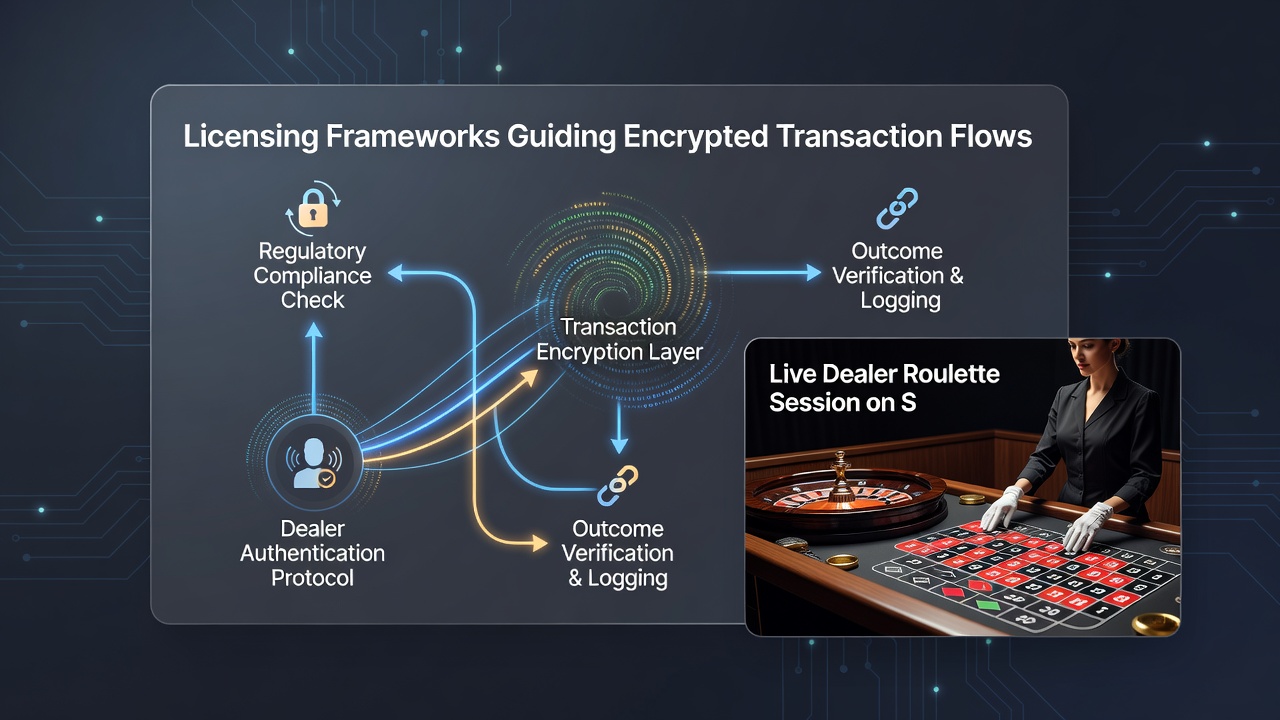
As of August 2026, updated guidance from the licensing authority emphasizes continuous monitoring of encryption key rotation intervals, requiring operators to refresh session keys at least every fifteen minutes during extended play periods. This measure addresses emerging computational threats while maintaining uninterrupted service for mobile users who remain connected through variable network conditions.
Role of External Standards and Cross-Border Alignment
Swiss frameworks reference technical specifications developed by international standards bodies, including those published by the Federal Office of Justice, and these references help ensure that encrypted transaction flows remain compatible with evolving mobile operating-system security features. At the same time, operators must demonstrate compliance with data-protection rules that align with broader European approaches, which adds another verification layer for cross-border players accessing Swiss-licensed platforms. Reports issued by research centers in Australia and Canada indicate that similar multi-jurisdictional alignment practices have reduced transaction-related incidents in regulated markets over recent years.
Conclusion
Licensing frameworks in Switzerland therefore function as both gatekeepers and technical guides that shape every encrypted transaction movement during live dealer roulette sessions on mobile platforms. By mandating certified encryption, tokenized processing, and real-time verification, these rules create a controlled environment where funds and game data travel securely from deposit through final payout. Continued alignment with international technical standards ensures that the system adapts to new threats while preserving the integrity of each roulette round for players on Swiss-licensed mobile applications.